Why Meanline Scripting is Becoming Essential for Turbomachinery Design
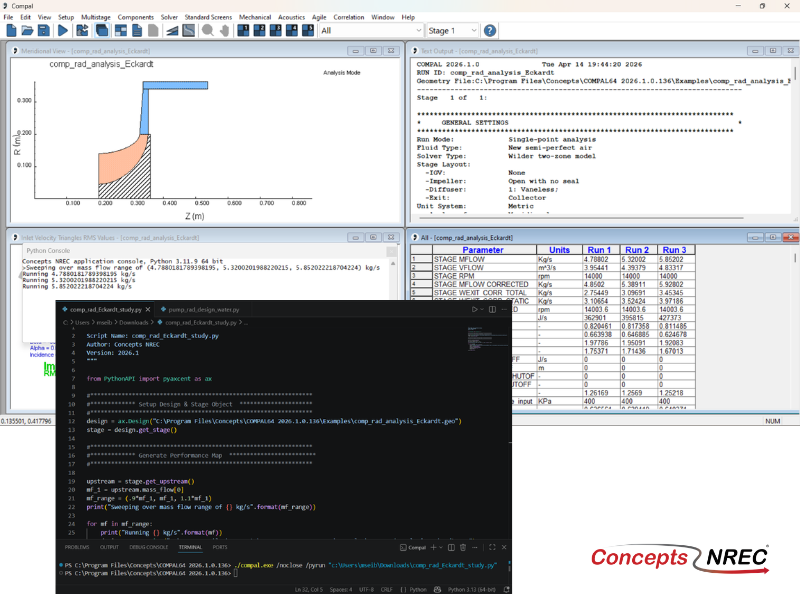
Manual meanline design can sometimes feel less like design and more like managing a chain of tiny decisions.


It’s no secret that turbomachinery design has been one of the most demanding CAE environments, thanks to tight tolerances, complex physics, and long design cycles.
That hasn’t changed in 2026, but how engineers are navigating that complexity has.
Integrations between design environments are becoming more streamlined, optimization opportunities are moving earlier in the design process, and CFD solvers are producing more accurate results across the full machine.
In other words, the tools are catching up to the complexity of turbomachinery CAE workflows in ways that are significantly benefiting the users.
One of the clearest signs these shifts are taking hold in turbomachinery CAE workflows is how once disconnected tools are starting to come together.
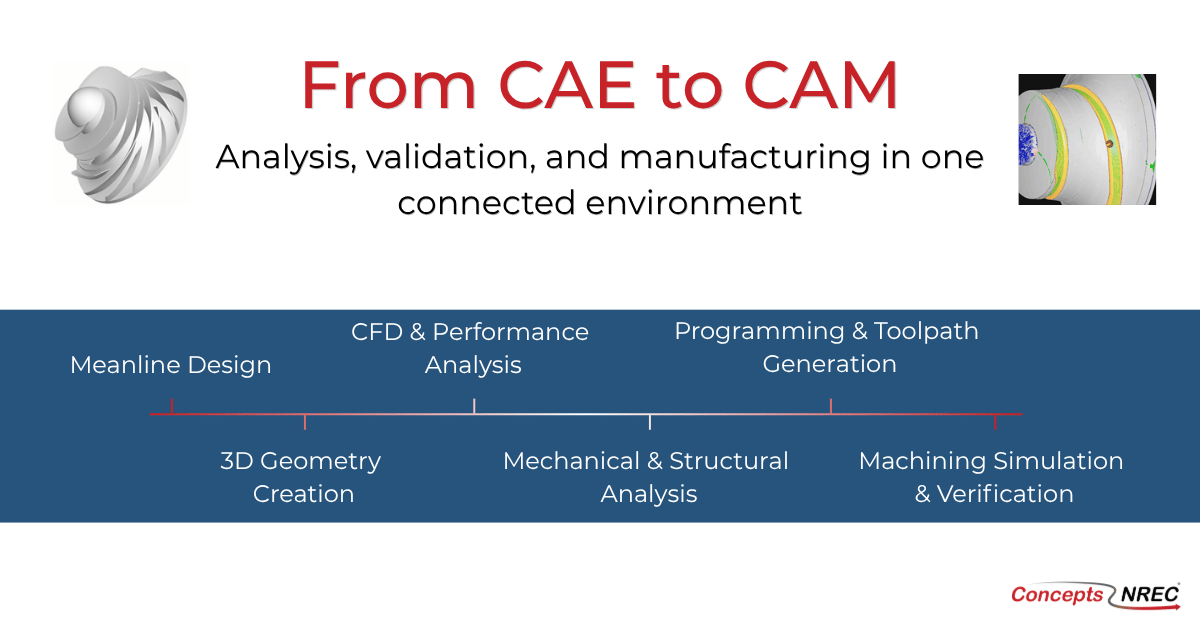
For years, turbomachinery workflows have relied on a series of handoffs between design, analysis, and manufacturing. This meant every step required manual data translation, and resulted in version control headaches and the constant risk that what was being designed and analyzed wasn’t making it to the manufacturing floor.
Now, the industry is moving toward a more integrated turbomachinery design workflow with a continuous digital thread that connects meanline design, 3D design and analysis, all the way through manufacturing. Teams are no longer rebuilding geometry between applications and running into translation errors or disconnects between roles. New automated links are also enabling blade geometry and CFD results to be ported directly into analysis projects, further reducing the need for manual data transfer.
With a single source of truth across engineering and production, design intent carries through with full fidelity. Decisions made early in the process don’t get lost in translation; they show up in the final part.
The result is fewer late-stage surprises and less time wasted jumping between tools.
Traditionally, optimization has been introduced late in the game once the design is “done enough” to hand off to the next step. At that point, any adjustments that are needed means spending countless hours backtracking in the design process.
That model is being reworked into a more connected workflow.
With optimization capabilities embedded directly in meanline turbomachinery design software, engineers can run quick parametric studies from the beginning without leaving the environment. As designs move into 3D, the connection between those design tools and third-party optimization platforms is uninterrupted, allowing continuous design exploration to be practical far earlier in the process.
What was once a discrete step is becoming a continuous part of the workflow.
As conceptual designs come together faster and tool integrations remove setup burden, optimizations can happen earlier (and more often) when it has the greatest impact on performance and efficiency.
That shift changes optimization from being a final check, to informing early design.
For years, secondary flow paths in turbomachinery CFD analysis for both radial and axial machines have carried a degree of uncertainty. Engineers could invest significant effort into modeling them and still question whether the results were truly capturing the physics.
That level of uncertainty is no longer acceptable for many designs.
Today’s applications demand more accurate predictions, especially in designs like supercritical carbon dioxide (sCO₂) systems, where secondary flows have a greater impact on performance and total losses. In these cases, capturing the full flow behavior isn’t a nice-to-have, it’s essential to achieving performance goals.
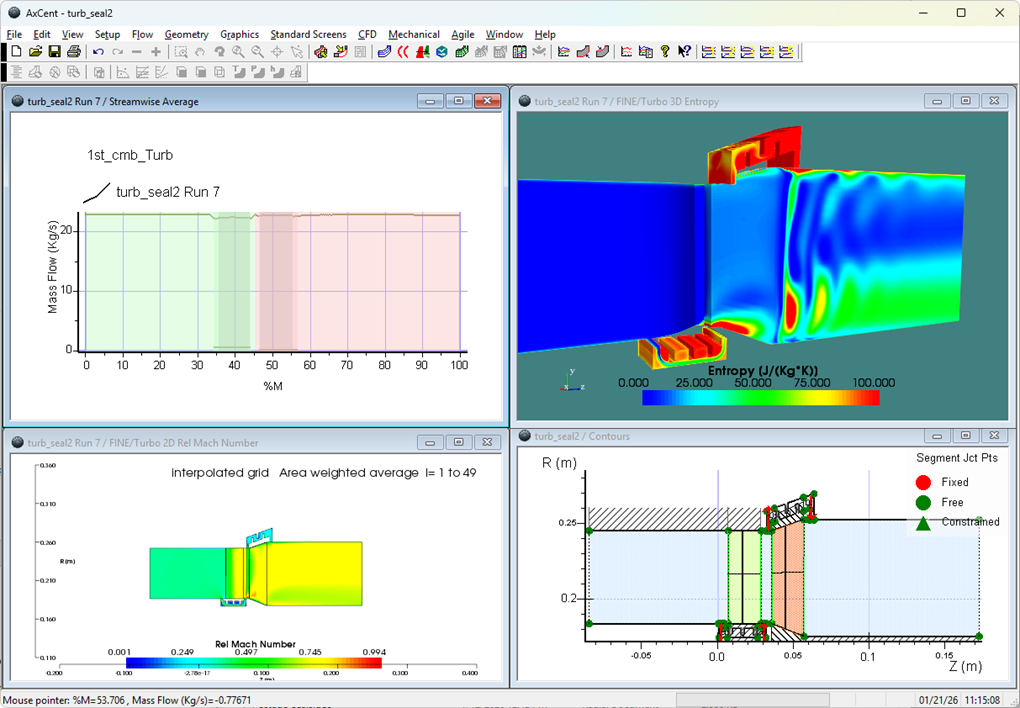
Modern engineers now have more options for how they tackle secondary flow paths enabled by tighter integrations with external CFD environments and more capable native CFD tools. These updated platforms give users the flexibility to choose the approach that fits their workflow and their machine.
Capabilities like solving secondary passages across a range of seal designs, combined with improved customization options in 3D modeling tools, are making those analyses more practical and more reliable.
The result is a shift from working around secondary flow uncertainty to actively designing for the impact of secondary flows and leakage, leading to predictions that hold up.
In 2026, engineers are seeing meaningful changes to how they work within CAE software. As they spend less time managing the tools themselves, they can focus on the hard work: engineering.
With stronger integrated turbomachinery design environments, optimization embedded earlier in the process, and more reliable approaches to modeling secondary flow paths, workflows are becoming more continuous, more connected, and far less dependent on manual intervention.
The complexity of turbomachinery design isn’t going away, but the friction in getting from concept to production is. Understanding how turbomachinery CAE workflows are evolving is key to staying competitive in 2026 and beyond.

Tags: CAE Software, Software
Manual meanline design can sometimes feel less like design and more like managing a chain of tiny decisions.
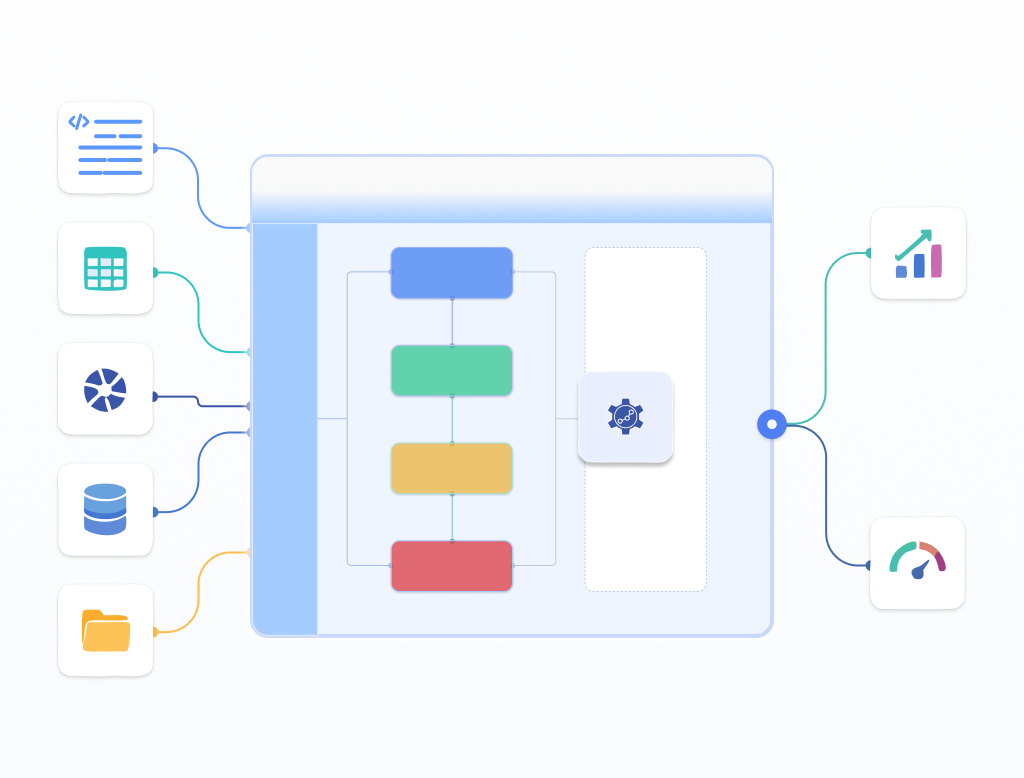
For most turbomachinery engineers, optimization isn’t a new idea. It’s a critical part of their workflow that can’t be overlooked. But sometimes that crucial step isn’t easy to get to.