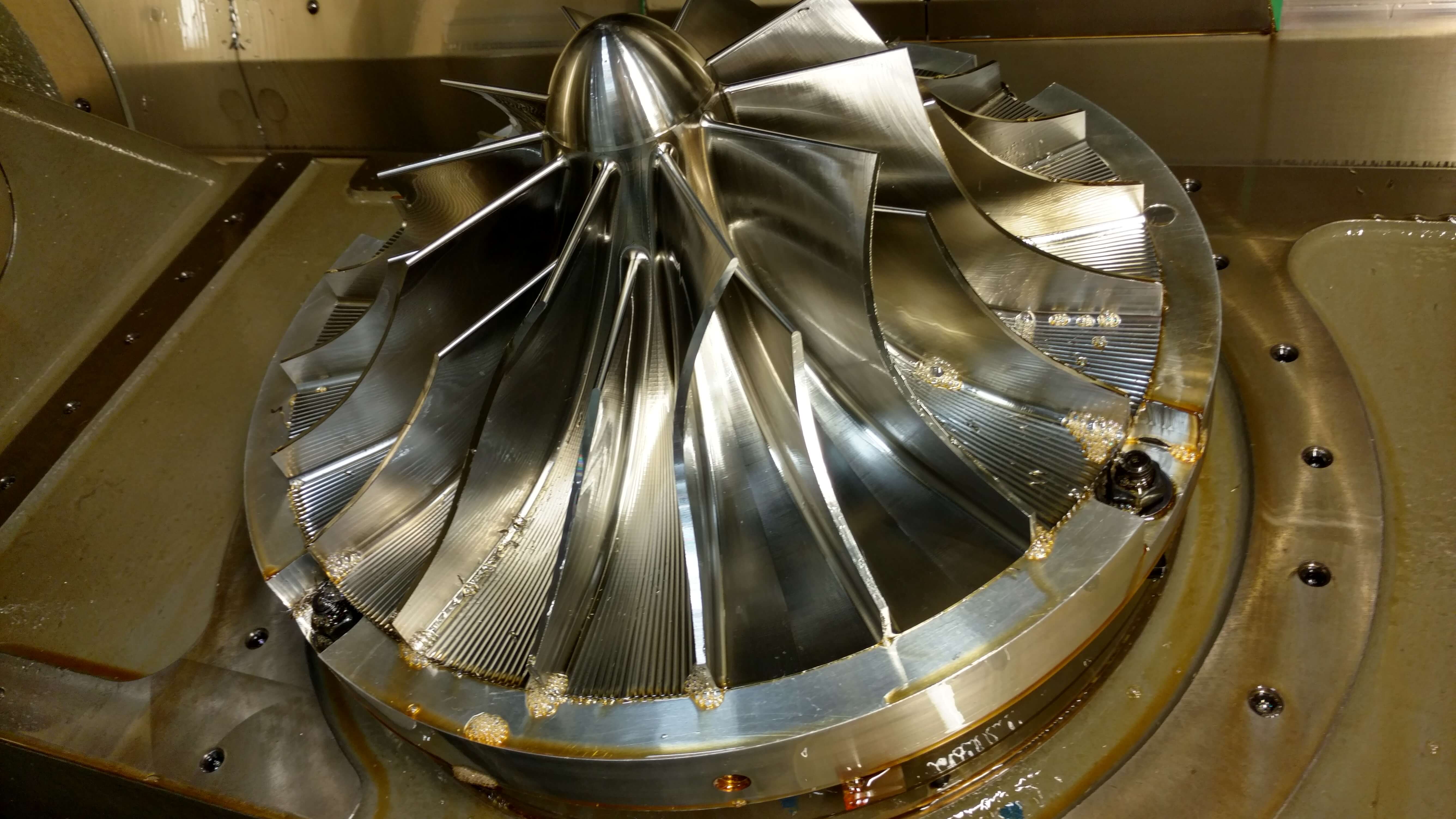
Manufacturing efficiency is shaped by much more than what happens while a machine is cutting. The decisions, handoffs, and repeated tasks that surround each machining operation can all add time and effort to the process.
In a turbomachinery manufacturing workflow, small inefficiencies can accumulate across programming, setup, validation, machining, inspection, and rework. None of them may seem especially significant on their own, but together they can slow the overall process and make it harder to use engineering and manufacturing resources effectively.
Improving efficiency starts by looking at the workflow as a whole. Understanding where time and effort are being lost can help manufacturers identify the areas where process improvements will have the greatest impact.
Looking Beyond Cycle Time to Identify Turbomachinery Manufacturing Inefficiencies
When manufacturers look for ways to improve efficiency, cycle time often gets much of the attention. That makes sense, particularly in repeat production where even small reductions can add up across many parts. But cycle time does not capture the full effort required to move a turbomachinery component from design to a conforming finished part.
That process also includes the time spent programming and validating toolpaths, setting up and proving out the job, inspecting the finished component, correcting problems, and transferring information between systems or operations. Each of those steps uses engineering or manufacturing resources, and each can introduce delays or repeated work into the process.
Manufacturing efficiency is better viewed across the entire workflow rather than through any single metric. Shortening one operation is not enough. Instead you must reduce unnecessary effort while maintaining the consistency and quality required to reliably produce the part. Looking at the workflow this way makes it easier to identify where inefficiencies are accumulating and which areas are worth addressing first.
Improving CAM Programming Efficiency
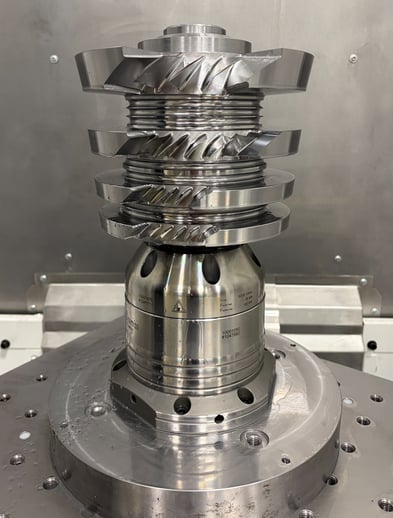
For complex turbomachinery components, CAM programming is rarely a simple matter of generating a toolpath and sending it to the machine. Blade geometry, tool access, machine kinematics, surface finish requirements, and 5-axis motion all influence how a part needs to be programmed. Developing a reliable process can require significant engineering judgment, particularly when programmers are balancing manufacturability, machine behavior, and the requirements of the finished component.
That makes programmer time an important part of the overall manufacturing workflow. Inefficiency can build when similar operations are created from scratch, information has to be re-entered from other systems, or proven decisions need to be revisited for every new part. Even when each task seems relatively small, repeating that effort across jobs can consume a substantial amount of engineering time.
There is also a broader knowledge-management challenge. Experienced CAM programmers often develop a deep understanding of which machining strategies, tooling approaches, and machine-specific adjustments work best for particular types of parts. If that knowledge remains tied to an individual programmer, the same lessons may need to be rediscovered when work changes hands or a similar component enters production.
But improving CAM programming efficiency means more than simply programming faster. It means making proven processes easier to reuse, standardizing repeatable decisions where appropriate, and retaining the manufacturing knowledge developed through previous jobs.
Non-Cutting Time Adds Up
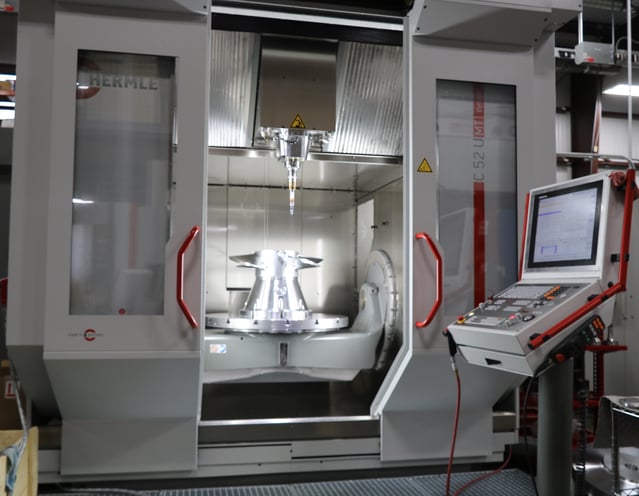
Not every minute a machine is running is spent cutting material, and not all non-cutting time can or should be eliminated. Tool changes, repositioning, setup, and prove-out are necessary parts of many machining processes. The opportunity is in identifying where those activities take longer than they need to or are repeated more often than necessary.
In complex turbomachinery manufacturing, small delays can accumulate quickly across a job. Extra repositioning moves, repeated setups, unnecessary handling between operations, or extended prove-out can each add only a small amount of time on their own. Across multiple operations or repeated production runs, however, they can become a meaningful source of inefficiency.
Looking closely at these activities can help manufacturers separate necessary process time from avoidable delay. A machining strategy may be technically sound and still leave opportunities to streamline how the part moves through setup, verification, tool changes, and other non-cutting steps. Reducing that repeated overhead can improve the overall flow of production without compromising the requirements of the machining process itself.
Scrap and Rework Add Waste to the Manufacturing Workflow
By the time a quality problem is discovered, a significant amount of work may already have gone into the part. Programming, setup, machining, inspection, and operator time have all been invested, which means scrap or rework affects more than the individual component.
Rework can require additional programming adjustments, more machine time, another setup, or repeated inspection. Scrap can mean starting the process over entirely. In either case, the impact extends beyond the immediate part by consuming capacity that could have been used for other production work.
For complex turbomachinery components, issues such as poor surface quality, dimensional inaccuracies, witness marks, collisions, or excessive manual finishing can all create this kind of downstream inefficiency. A process that runs quickly but frequently requires correction is not an efficient one.
Manufacturing efficiency has to account for both speed and reliability. The goal is to produce an acceptable part consistently, with as little unnecessary rework, repeated effort, or material waste as possible.
Handoffs Can Create Hidden Inefficiencies
A turbomachinery component rarely moves from design to finished part in one uninterrupted process. Information passes between design, CAM, and the machine tool, while the physical part may also move between different machines, departments, or outside suppliers. Each of those handoffs adds another step and requires more time.
Digital handoffs can create inefficiency when information has to be re-entered, translated, checked, or recreated as it moves between systems. Design intent or manufacturing decisions can also be lost along the way, leading to additional validation or adjustments later in the process. Better-connected workflows and software developed specifically for turbomachinery can reduce some of this repeated effort by allowing information to move more consistently from one stage to the next.
Physical handoffs introduce a different kind of delay. Operations such as heat treatment, surface finishing, shot peening, brazing, or other specialized processes may need to be subcontracted when they cannot be completed in-house. For many shops, that is simply a necessary part of producing the component. But sending parts out also adds handling, coordination, transportation, and wait time before they can return and move to the next operation.
Those delays may not always be avoidable, but they still need to be understood as part of the overall manufacturing process. Looking at both the flow of information and the movement of the part helps manufacturers build a more complete picture of lead time and identify where handoffs can be simplified, better coordinated, or made less disruptive.
Building Repeatability Into the Turbomachinery Manufacturing Workflow
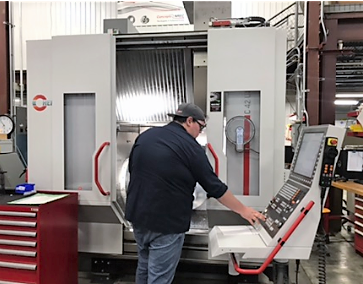
Optimization can improve the performance of a single machining process, but repeatability determines whether those gains can be carried into future work. In turbomachinery manufacturing, that means turning successful programming decisions, machine-specific adjustments, and proven process parameters into knowledge that can be applied again rather than rediscovered on each job.
Much of that knowledge comes from experienced programmers and machinists who understand how specific geometries, machines, tools, and cutting strategies behave in practice. That expertise is critical, but if it exists only with an individual, the organization risks repeating the same learning whenever work changes hands or a new programmer takes on a similar component.
Making proven manufacturing knowledge easier to carry from one job to the next might mean reusing an established machining strategy, preserving machine-specific settings, or applying tooling and process parameters that have already been validated on a similar part. Doing so reduces the amount of work that has to be recreated each time, while still leaving room for programmers to make the engineering decisions that are specific to the new job.
Repeatability also improves consistency. A process that can be reliably reproduced and adapted is often more valuable than one that has been optimized for a single job but cannot easily be applied again. Building that repeatability into the manufacturing workflow can reduce repeated effort while helping retain the expertise developed through previous production work.
Finding Opportunities to Improve Turbomachinery Manufacturing Efficiency
Manufacturing efficiency is the result of many decisions made across the full workflow, from CAM programming and setup through machining, inspection, and final part completion. Improving one step can help, but the larger gains come from understanding how those steps interact and where inefficiencies are repeated from one job to the next.
That means looking beyond a single metric and asking where the process consistently requires extra time, duplicated effort, additional handling, or rework. Where are programmers rebuilding information that already exists? Which operations regularly need adjustment? Where do parts spend time waiting between processes? Which lessons are being reused, and which are being rediscovered?
The goal is not to eliminate every delay or non-cutting activity, as many are necessary when producing a complex turbomachinery component. It’s more important to identify where avoidable effort has become part of the process and determine which changes will have the greatest impact on throughput, consistency, and overall manufacturing efficiency.
Once those areas are visible, manufacturers can make more informed decisions about where to focus improvement efforts across the workflow.